Why High-End Rentals Need a Different Management Standard
Landlord Tips Luxury Property Management, LLC September 22, 2026
Landlord Tips Luxury Property Management, LLC September 22, 2026
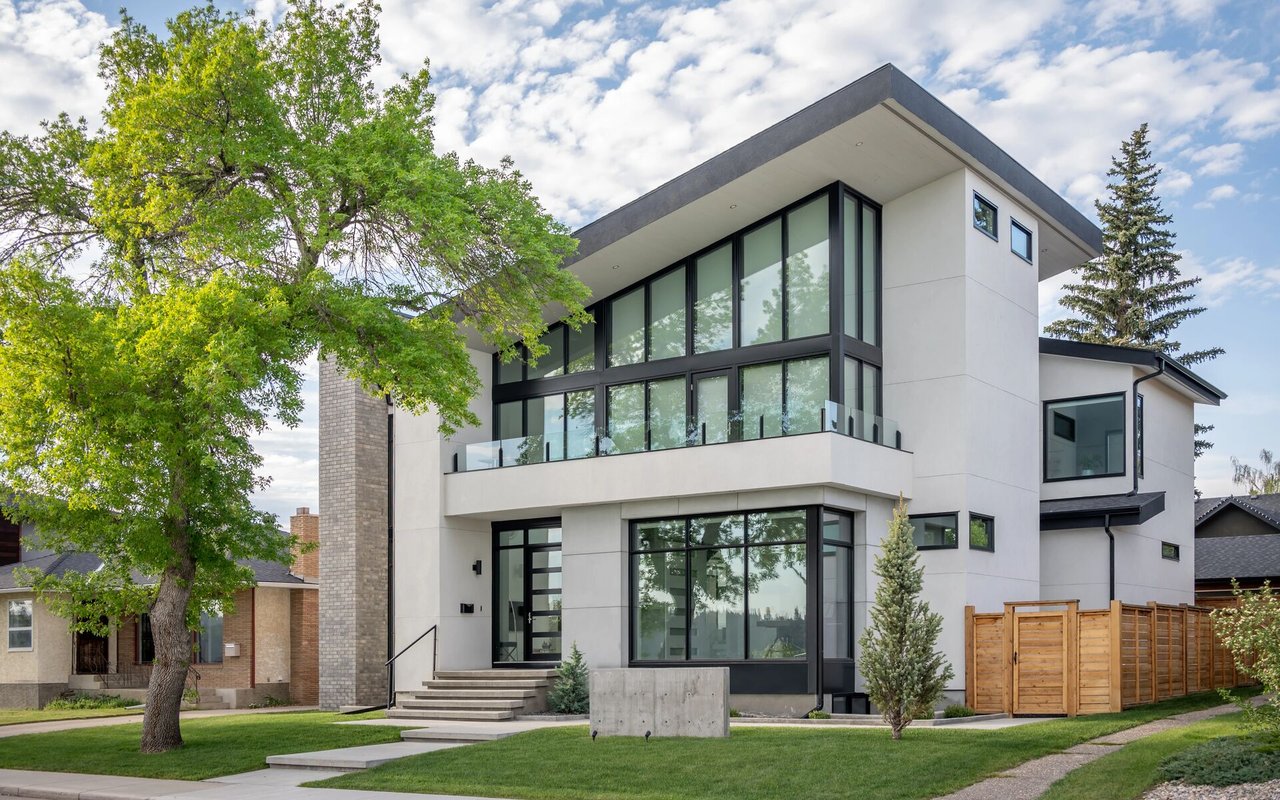
A high-end rental property is often easy to recognize.
The architecture is stronger.
The finishes are more refined.
The landscaping is more intentional.
The appliances may be more specialized.
The location may command a premium.
The rent reflects all of it.
But the physical property is only part of what the tenant is paying for.
At a certain level, management becomes part of the product.
That does not mean luxury tenants expect extravagance at every turn. Often the opposite is true.
They expect fewer problems.
Clearer communication.
Better coordination.
More thoughtful maintenance.
Vendors who know how to work in the property.
A sense that someone understands the home and is paying attention to the details.
That is where high-end property management begins to look different.
The standard is not simply faster service.
It is more consistent stewardship.
Price communicates something before the lease is ever signed.
A renter considering a high-end Nashville property expects the physical home to justify the number.
They also expect the experience around the home to make sense.
A beautiful kitchen paired with poor communication creates a disconnect.
An exceptional primary suite does not fully compensate for recurring maintenance confusion.
A professionally landscaped exterior loses some of its value if vendors arrive unpredictably or routine care is inconsistent.
At lower price points, renters may be more willing to overlook certain inefficiencies if the overall value remains strong.
At the premium end, small inconsistencies become more visible.
The rent is not only buying access to space.
It is buying a level of confidence.
Luxury rentals tend to have more systems.
More square footage.
More appliances.
More exterior features.
More specialized materials.
More complicated landscaping.
More smart-home technology.
More places where small problems can develop.
That complexity changes the management burden.
A standard repair approach may not always be enough.
The right vendor matters.
The repair method matters.
Replacement materials matter.
Documentation matters.
A rushed decision in a premium property can create larger consequences because the surrounding finish or system may be more expensive to restore.
This is why high-end management often requires more context before action.
Not every technician is appropriate for every property.
Not every replacement is equivalent.
The goal is not simply to complete the work.
It is to preserve the standard of the asset.
In ordinary property management, owners may focus mostly on speed and cost when selecting vendors.
Those factors still matter in high-end rentals.
But quality and judgment become more important.
A vendor working in a luxury property may be dealing with custom cabinetry, specialty flooring, premium plumbing fixtures, integrated systems, expensive appliances, or detailed landscaping.
The repair should not create another problem.
The technician should understand how to work carefully in an occupied home.
Communication should be professional.
Arrival should be coordinated.
Work areas should be respected.
The finished result should feel appropriate for the property.
A tenant does not separate the vendor completely from management.
From their perspective, the vendor was sent by whoever oversees the home.
The quality of that interaction becomes part of the management experience.
Luxury properties often derive part of their appeal from coherence.
The finishes work together.
The home feels intentional.
The landscaping supports the architecture.
The fixtures feel appropriate.
The overall presentation is polished.
Small management decisions can gradually weaken that coherence.
A mismatched replacement fixture.
A patch repair that is visibly inferior to the surrounding finish.
Landscaping maintained inconsistently.
A specialty appliance replaced with something that does not suit the kitchen.
One decision may not matter much.
Over time, these choices accumulate.
The property can remain functional while becoming less refined.
That matters because premium value is often created through details.
Maintaining those details requires management decisions that consider the whole property rather than the isolated repair.
High-end property management does not need to feel formal or elaborate.
It should feel controlled.
A tenant asks a question.
Someone knows the answer or knows how to get it.
A maintenance issue appears.
It is acknowledged.
The next step is clear.
A vendor needs access.
The appointment is coordinated.
A repair requires more time.
The tenant receives an update.
Nothing about this is dramatic.
That is the point.
Premium service often feels calm because the resident is not forced to manage the process themselves.
They do not need to follow up repeatedly.
They do not need to determine which vendor should be called.
They do not need to wonder whether the issue was forgotten.
The management experience becomes valuable because it removes friction.
Luxury tenants certainly appreciate responsiveness.
But the fastest answer is not always the best answer.
A rushed repair that damages a finish is not good service.
An inexpensive replacement that weakens the property's positioning is not good asset management.
Sending the first available vendor without considering the property may solve today's problem while creating tomorrow's.
High-end management requires balance.
Respond quickly.
Evaluate carefully.
Use the right resource.
Communicate clearly.
Resolve the issue at the standard appropriate for the asset.
That sequence matters.
Efficiency should not come at the expense of judgment.
A high-end rental is still a tenant's home.
That should shape the management approach.
Access should be purposeful.
Vendor visits should be coordinated.
Inspections should have a clear objective.
Communication should respect privacy.
Owners may understandably want greater visibility because the asset is valuable.
But constant access does not create stronger protection.
It can create a poorer tenant experience.
Structured oversight works better.
Documented inspections.
Professional maintenance.
Reliable communication.
Clear access procedures.
The owner gets appropriate visibility.
The tenant gets reasonable privacy.
Both sides benefit from the structure.
A small administrative issue can feel disproportionately frustrating in a premium rental.
The key does not work.
No one knows the gate code.
A vendor arrives without notice.
A recurring repair requires another round of explanation.
An included feature is suddenly unclear.
None of these issues necessarily threatens the property.
But they weaken the sense that the home is being managed at a high level.
Luxury renters are often choosing the property partly because they value convenience.
If management repeatedly creates extra work for them, that convenience erodes.
Operational friction becomes part of the value equation.
Owners often invest heavily in the leasing presentation.
Professional photography.
Clean interiors.
Landscaping.
Thoughtful listing copy.
Everything is polished for market.
Then the lease begins.
The danger is allowing the operating standard to fall below the marketing standard.
A high-end rental should not look premium only when photographed.
The property needs to remain cared for during occupancy.
Exterior maintenance should stay consistent.
Repairs should preserve quality.
Common systems should be serviced appropriately.
The tenant should not feel that the attention disappeared once the lease was signed.
Marketing creates the promise.
Management has to maintain it.
A premium property often contains more expensive things to fail.
That makes prevention more valuable.
Routine HVAC servicing.
Exterior review.
Drainage monitoring.
Appliance maintenance where appropriate.
Landscaping oversight.
Periodic inspections.
These are not glamorous services.
They are often where the best asset protection happens.
A luxury property can absorb large capital expenses quickly if small problems are allowed to become larger ones.
Preventive maintenance gives the owner more control over timing and cost.
It also reduces disruption for the tenant.
That combination is especially valuable at the premium end.
The more valuable and complex the property, the more useful good records become.
Which vendor services the specialty appliance?
What was the condition of the flooring at move-in?
When was the HVAC last serviced?
What landscaping issue appeared last summer?
Which smart-home components belong to the property?
What was repaired during the previous tenancy?
Documentation supports continuity.
Without it, high-end property management becomes dependent on memory.
That is risky.
A detailed property should have a detailed operating history.
Not because more paperwork is inherently better.
Because the next decision should be informed by what happened before.
A high standard of management does not require unlimited accommodation.
Owners still need boundaries.
Lease terms still matter.
Property protection still matters.
Certain requests should be declined.
The difference is in how decisions are made and communicated.
A premium tenant experience should feel thoughtful rather than arbitrary.
The resident may not get every answer they want.
They should still feel that the request was handled professionally.
Luxury service is not constant agreement.
It is consistent judgment.
In high-end rentals, property management decisions can affect more than tenant satisfaction.
They influence long-term asset quality.
The wrong repair can diminish a finish.
Poor vendor selection can create recurring issues.
Weak documentation can increase turnover uncertainty.
Inconsistent maintenance can slowly weaken the property's positioning.
That means management belongs in the investment conversation.
How is the property being preserved?
Which systems are aging?
What should be planned before turnover?
Which recurring maintenance issues deserve a permanent solution?
Is the management standard supporting the rent the owner expects?
These are asset questions.
The management operation provides the information needed to answer them.
There is a temptation to assume luxury management should involve more of everything.
More communication.
More inspections.
More services.
More intervention.
Often, the better standard is more selective.
The right communication.
The right vendor.
The right repair.
The right amount of access.
The right level of documentation.
The right response at the right time.
High-end management should feel precise.
Not busy.
The tenant should not constantly notice the machinery behind the property.
They should notice that things work.
A premium rental home deserves a management standard that understands what makes it premium.
That standard is not defined by expensive gestures.
It is defined by consistency.
The property is maintained thoughtfully.
Vendors are selected carefully.
Communication is clear.
Privacy is respected.
Repairs preserve quality.
Documentation supports decisions.
The tenant experience remains aligned with the rent.
And the owner has confidence that the property is being managed as an asset rather than simply occupied as a house.
The difference can be difficult to photograph.
But tenants feel it.
Owners feel it.
And over a long holding period, the property reflects it.
That is why high-end rentals need a different management standard.
Not because they require more attention at every moment.
Because the attention they receive needs to be more deliberate.
Stay up to date on the latest real estate trends.

Landlord Tips
Owning a rental property is a financial position. Operating one well requires systems, standards, planning, and a consistent way of making decisions.

Landlord Tips
Rental complexity rarely arrives all at once. It builds through aging systems, accumulated exceptions, incomplete records, deferred decisions, and processes that never… Read more

Landlord Tips
Not every rental expense arrives as a repair bill. Some of the most persistent costs are the ones that quietly repeat in the background.

Landlord Tips
Getting a property leased is one measure of success. Building a rental that continues to perform well over time requires something more.

Landlord Tips
A rental property becomes easier to own when fewer decisions depend on memory, improvisation, and constant owner involvement.

Property Management Nashville
A rental property can remain fundamentally sound while the strategy around it stops working. Knowing when to adjust is part of managing the asset well.
Landlord Tips
A premium rental is not defined only by finishes or location. It is also defined by the standard of care surrounding the property.

Landlord Tips
Not every repair carries the same level of risk. Strong rental ownership means knowing which issues need immediate attention, which affect value, and which can reasona… Read more

Property Management
A strong lease does more than define rent and dates. It creates the structure that helps both owner and tenant understand how the property will actually be managed.
From strategic pricing and tenant placement to asset protection and long-term wealth optimization, your property is handled with precision and care. Start your seamless management experience today.