What Makes a Rental Property Feel Expensive? SEO: increase rental value Psychology article.
Investing in Nashville Luxury Property Management, LLC July 16, 2026
Investing in Nashville Luxury Property Management, LLC July 16, 2026
Some rental properties feel more expensive before anyone asks the price. The photos look cleaner. The rooms feel calmer. The finishes seem more intentional. The home appears cared for, not merely prepared. A renter may not be able to explain the difference immediately, but they can feel it.
This is one of the most powerful and misunderstood parts of rental property ownership. Value is not created only by square footage, bedroom count, location, or renovation cost. Those things matter, but they do not fully explain why one rental feels elevated and another feels average. Perceived value is shaped by detail, restraint, condition, light, flow, cleanliness, and the confidence of the presentation.
For Nashville landlords who want to increase rental value, this distinction matters. Many owners assume they need major renovations to command stronger rent. Sometimes they do. But often, the bigger opportunity is not to make the property more expensive to own. It is to make the property feel more valuable to the tenant.
A rental that feels expensive does not always have the most luxurious finishes. It feels intentional. It feels well maintained. It feels easy to live in. It gives the tenant confidence that the owner or manager understands the standard of the home.
The most expensive-feeling rentals usually create confidence quickly. The tenant does not have to work hard to understand the home. The photos are clear. The listing is accurate. The showing experience feels organized. The property is clean, functional, and ready. Nothing about the process makes the tenant wonder what has been overlooked.
This is where perception begins. A renter may be comparing several properties in the same Nashville neighborhood and price range. If one home feels effortless to understand and another feels confusing, the clearer property often feels more valuable. It suggests that the owner has prepared the home properly. It reduces uncertainty.
Uncertainty lowers perceived value. A tenant may like the location, but if the home feels unfinished, the listing feels vague, or the communication feels scattered, the property begins to feel less premium. The tenant may still apply, but they are less likely to feel urgency. They may negotiate. They may keep looking.
A rental property feels expensive when it reassures the tenant. The home does not need to announce luxury. It needs to feel composed.
Cleanliness is one of the simplest ways to increase rental value, but it is often underestimated because it feels basic. Landlords may assume that clean is the minimum standard, not a value driver. Tenants experience it differently.
A truly clean rental feels newer, more cared for, and more trustworthy. Clean grout, clean appliances, clean windows, clean cabinet interiors, clean vents, and clean flooring all tell the tenant that the property has been prepared with intention. These details may not be glamorous, but they are powerful.
A home can have attractive finishes and still feel less expensive if it is not deeply clean. A tenant notices residue in the oven, dust in the corners, streaked mirrors, worn caulk, or evidence that the previous occupant never fully left. These small details weaken the emotional impact of the property.
The psychology is simple. A clean home feels like a fresh beginning. A home that feels only partially prepared creates doubt. For a landlord, that doubt can affect rent, tenant quality, and how strongly the property competes.
Cleanliness does not just support presentation. It sets the standard for the lease.
Many owners think a rental feels expensive when it has more: more fixtures, more statement pieces, more bold finishes, more decorative choices. In reality, restraint often reads as more premium.
A rental property should feel elevated without feeling overly personal. Tenants need to imagine their own life in the space. When the home feels too specific, too cluttered, or too designed around one person’s taste, it can reduce the tenant’s ability to connect with it. The property may be beautiful, but it may not feel easy to inhabit.
The most expensive-feeling rentals often have visual calm. The materials make sense together. The lighting feels balanced. The rooms are not overwhelmed by unnecessary details. The home feels edited. This kind of restraint is especially important in luxury and higher-end rentals, where tenants often expect sophistication rather than decoration.
To increase rental value, landlords do not always need to add more. Sometimes they need to remove what distracts from the property’s best qualities.
Light has a significant effect on perceived value. A bright, well-lit rental tends to feel larger, cleaner, and more inviting. A dark or poorly photographed home can feel smaller and less cared for, even when the floor plan is strong.
This matters both online and in person. Most tenants encounter the property first through photos. If the images feel dim, uneven, or unclear, the property may never receive the attention it deserves. The renter may not think, “This home has poor lighting.” They may simply keep scrolling.
In person, lighting affects mood. A home that feels warm, open, and easy to move through can create a sense of comfort quickly. A home with harsh lighting, burned-out bulbs, dark corners, or blocked windows can feel neglected. These are small issues, but they shape the emotional response.
Light is not only a photography concern. It is part of how tenants interpret value. A landlord trying to increase rental value should pay attention to how the home feels at different times of day, how it photographs, and whether simple adjustments could make the property feel more polished.
A rental does not need the highest-end finishes to feel expensive. It does need to feel well maintained. Condition often matters more than the original price of the materials.
A modest kitchen that is clean, functional, and well cared for can feel more valuable than a more expensive kitchen with worn cabinets, loose hardware, stained grout, or aging appliances. A simple bathroom can feel elevated if it is spotless, properly caulked, well lit, and free of visible neglect. Tenants are not only looking at design. They are reading the property for signs of care.
This is one of the most practical lessons for landlords. Expensive-looking does not always mean newly renovated. It often means consistent. The doors close properly. The fixtures are secure. The walls are touched up. The landscaping is maintained. The systems appear cared for. The home feels ready.
Deferred maintenance quietly lowers perceived value. It also affects tenant confidence. If a tenant sees several small problems before move-in, they may assume larger problems will be handled the same way.
A property feels expensive when it feels protected.
Tenants do not evaluate space only by size. They evaluate how the space works. A rental property with thoughtful flow, practical storage, easy parking, functional bedrooms, and usable outdoor space can feel more expensive than a larger property that is awkward to live in.
This is especially true in Nashville, where renters may be relocating, working from home, moving with pets, sharing space with family, or waiting to purchase. They are not only asking whether the property has enough square footage. They are asking whether their life will fit comfortably inside it.
A good layout creates ease. There is a place for coats, groceries, laundry, work, guests, pets, and everyday routines. That ease has financial value because it reduces hesitation. The tenant can imagine living there without mentally solving too many problems.
Landlords sometimes focus on cosmetic updates while ignoring functional friction. A home may need better storage solutions, clearer room use, improved lighting, or small layout adjustments more than it needs a dramatic renovation. To increase rental value, the property should not only look good. It should live well.
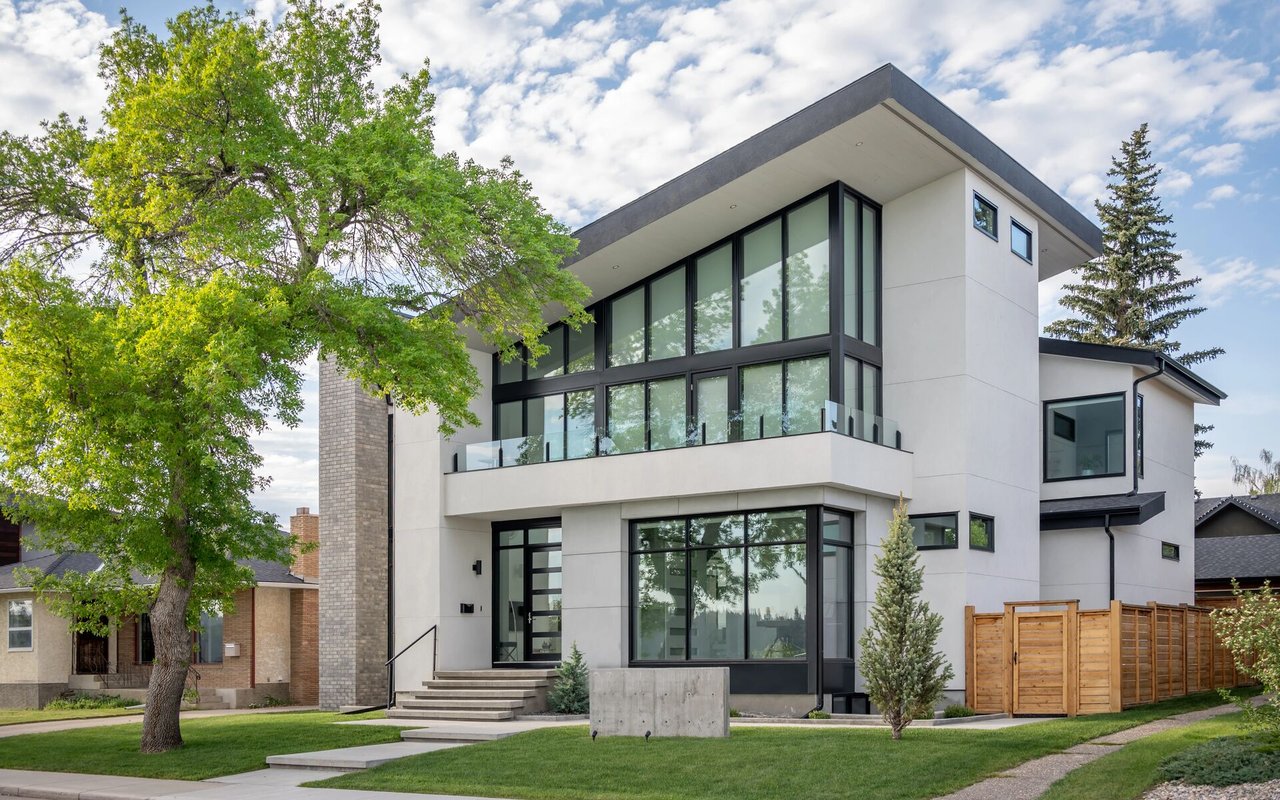
The exterior is often the first moment when a tenant decides whether the property feels worth the rent. Landscaping, entry condition, lighting, cleanliness, walkways, porch areas, exterior paint, hardware, and general curb appeal all shape the first impression.
A strong exterior does not have to be elaborate. It has to feel cared for. A tidy entry, fresh-looking details, clean pathways, and maintained landscaping can create a sense of arrival. The tenant feels that the property has been looked after before they ever step inside.
A neglected exterior has the opposite effect. Even if the interior is strong, the tenant enters with doubt. They may begin looking for issues. They may question whether maintenance is reactive. They may feel the property is priced above its standard.
For single-family rentals and luxury homes, exterior presentation is especially important. The tenant is not only leasing interior space. They are leasing the experience of arriving home.
The way a rental is marketed can make the same property feel more or less expensive. Professional photography, thoughtful photo order, accurate listing copy, and clear feature descriptions all influence perceived value.
A strong listing does not exaggerate. It guides. It helps the renter understand how the home lives, what makes it distinct, and why the rent makes sense. It shows the property in its best honest light. It removes friction from the decision.
Poor presentation can make a good property feel average. If the photos are poorly framed, if the listing copy is generic, or if important features are buried, the property may not attract the tenant pool it deserves. Renters may assume that if the listing feels careless, the management experience may feel careless too.
Professional presentation is not vanity. It is positioning. For landlords who want to increase rental value, how the property is presented can be just as important as what the property contains.
A rental property does not feel expensive only because of its physical condition. It also feels expensive because of the way the process is handled. Prompt communication, clear instructions, organized showings, polished lease documents, and thoughtful move-in coordination all contribute to perceived value.
Good tenants notice professionalism. They notice whether someone responds quickly. They notice whether the lease process is clear. They notice whether questions are answered with confidence. They notice whether the home feels managed or merely listed.
This matters because a tenant is not only choosing a property. They are choosing the experience of living under that ownership structure. A beautiful home can feel less valuable if the process feels disorganized. A well-managed home can feel more valuable because the tenant trusts that the relationship will be handled properly.
Professional management can increase perceived rental value by making the ownership experience feel stable, responsive, and serious. It adds confidence to the physical asset.
When tenants describe a rental as beautiful, polished, or worth the rent, they are often responding to care. Not always luxury. Not always newness. Care.
Care shows up in the details. The home is clean. The repairs are complete. The listing is honest. The lighting works. The exterior is maintained. The rooms feel intentional. The lease process is organized. The property feels ready for someone to live well in it.
This is the psychology behind perceived value. Tenants are drawn to homes that reduce doubt. They want to feel that the property has been prepared properly, priced thoughtfully, and managed by someone who understands the standard being offered.
For Nashville landlords, increasing rental value is not always about spending more. It is about knowing where value is actually perceived. Sometimes the smartest improvements are subtle: better preparation, better presentation, better maintenance, better communication, and a clearer sense of how the home should feel to the tenant.
A rental property feels expensive when it feels cared for at every point of contact. That is what makes a tenant trust the price. That is what makes the home easier to choose. And over time, that is what helps the property perform at a higher level.
Stay up to date on the latest real estate trends.

Investing in Nashville
Why keeping the right tenant can be one of the most profitable decisions a Nashville landlord makes
Investing in Nashville
Why perceived value matters when Nashville landlords want to increase rental value without over-improving

Investing in Nashville
How a thoughtful renewal strategy can protect income, reduce vacancy, and improve long-term rental performance

Investing in Nashville
Why timing, tenant behavior, and preparation can influence rental performance more than many landlords realize

Investing in Nashville
Why a growing city still requires discipline, pricing strategy, and thoughtful management from landlords

Investing in Nashville
Why Nashville landlords should weigh more than the monthly management fee before deciding to manage alone

Investing in Nashville
Why Nashville landlords need more than ownership to protect long-term rental performance

Property Management
How small decisions in pricing, presentation, maintenance, and management can quietly limit rental performance

Investing in Nashville
What Good Tenants Notice That Landlords Often Miss
From strategic pricing and tenant placement to asset protection and long-term wealth optimization, your property is handled with precision and care. Start your seamless management experience today.